Introduction
In the world of medical care, especially in lasting treatment facilities, the significance of specialized training can not be overemphasized. One such important location is dysphagia monitoring. Dysphagia, or problem ingesting, is a common problem that can dramatically affect a person's quality of life. For treatment personnel, comprehending and managing this problem are crucial skills that can result in far better client results and boosted safety and security. https://telegra.ph/Creating-Much-Safer-Atmospheres-The-Influence-of-Dysphagia-Learning-Care-Setups-03-24

This write-up dives deep into the important skills for treatment staff regarding dysphagia training techniques. It includes different aspects of dysphagia training for carers, supplying insights right into methods, training courses, and finest techniques that equip medical care professionals to offer exceptional like patients experiencing swallowing difficulties.
Essential Skills for Treatment Team: Top Dysphagia Training Techniques
To effectively take care of dysphagia in patients, care team should be equipped with a broad variety of abilities and understanding. This area highlights the primary dysphagia training techniques vital for any type of care professional.
Understanding Dysphagia: What Care Team Required to Know
Dysphagia isn't just a technological term; it represents a considerable difficulty dealt with by several individuals across various age groups. Care personnel must have a solid understanding of what triggers dysphagia and its effects on health.
- Definition: Dysphagia refers to trouble ingesting due to numerous reasons such as neurological conditions, structural irregularities, or muscular tissue weakness. Causes: Understanding underlying health and wellness conditions that contribute to dysphagia is important. These can include stroke, dementia, Parkinson's condition, and head or neck cancers. Symptoms: Common signs entail coughing when consuming or drinking, seeming like food is embeded the throat or upper body, and constant heartburn.
The Relevance of Specialized Dysphagia Training for Carers
Training especially focused on dysphagia equips carers with essential skills customized to fulfill the distinct demands of people dealing with swallowing difficulties.
- Enhanced Individual Safety: Proper training decreases threats such as aspiration pneumonia-- one of the serious problems developing from inappropriate swallowing. Improved Lifestyle: Staff learnt dysphagia support can assist patients keep their independence and take pleasure in dishes safely. Building Relationships: Educated carers can promote count on and connection with people by showing proficiency in managing their specific challenges.
Components of Effective Dysphagia Training Courses
Dysphagia training courses differ widely in web content and shipment approaches. Below are some necessary parts that efficient courses should include:
Anatomy and Physiology: Understanding the technicians of ingesting helps team determine issues accurately. Assessment Techniques: Understanding how to evaluate a person's ingesting ability with clinical evaluations helps tailor interventions. Dietary Modifications: Understanding about appearance modification (e.g., pureed diet regimens) is critical for secure feeding practices. Therapeutic Interventions: Familiarity with workouts made to enhance ingest muscular tissues can be beneficial. Emergency Protocols: Training ought to cover what steps to take throughout choking cases or various other emergencies connected to ingesting difficulties.Training Techniques: How Can Treatment Team Learn?
There are various modalities where care personnel can receive their dysphagia training:
- Workshops & Seminars: These are usually interactive sessions where participants participate in hands-on learning. Online Courses: Flexible choices permit team to learn at their very own pace; these might include video presentations and quizzes. On-the-job Training: Practical experience under guidance strengthens theoretical knowledge acquired from official courses.
Key Strategies in Dysphagia Administration for Treatment Staff
Having undergone correct training is just half the fight; applying effective techniques makes all the difference.
1. Utilizing Appropriate Feeding Strategies
Care personnel need to adopt various feeding methods based upon specific patient analyses:
- Postural Adjustments: Positioning patients upright throughout dishes can help with safer swallowing. Pacing Techniques: Urging slow consuming routines helps reduce the risk of choking.
2. Monitoring Ingesting Patterns
It's crucial for carers to observe and document patients' eating behaviors:
- Note any kind of signs of distress while eating Keep track of food preferences along with appearance modifications
3. Creating a Safe Dining Environment
A helpful atmosphere contributes in improving dish experiences:
- Minimizing distractions Ensuring appropriate lighting
Dysphagia Support Resources Available for Treatment Staff
In enhancement to official training programs, there are various resources available that supply recurring support:
Professional Organizations: Groups focused on speech-language pathology frequently give guidelines on ideal practices. Peer Assistance Networks: Involving with fellow carers can generate practical understandings from shared experiences. Research Publications: Staying informed regarding emerging researches will certainly keep caretakers updated on innovative approaches.FAQ Section
1. What is dysphagia?
Dysphagia refers to problem in swallowing triggered by numerous clinical conditions influencing the muscle mass associated with swallowing.
2. Why is specific dysphagia training essential for treatment staff?
Specific training guarantees that carers recognize just how to securely help individuals experiencing problem ingesting while reducing dangers related to ambition and choking.
3. What topics are covered in a regular dysphagia training course?
Courses typically cover makeup and physiology related to ingesting, analysis strategies, nutritional alterations, restorative interventions, and emergency situation protocols.
4. How do I locate great dysphagia training courses near me?
You can look online for accredited establishments providing specialized training courses or check regional medical care organizations for workshops on dysphagia management.
5. Can caregivers apply dietary alterations without expert guidance?
While caretakers can recommend nutritional modifications based on their training, it's essential they speak with dietitians or speech therapists before making significant modifications to an individual's diet.
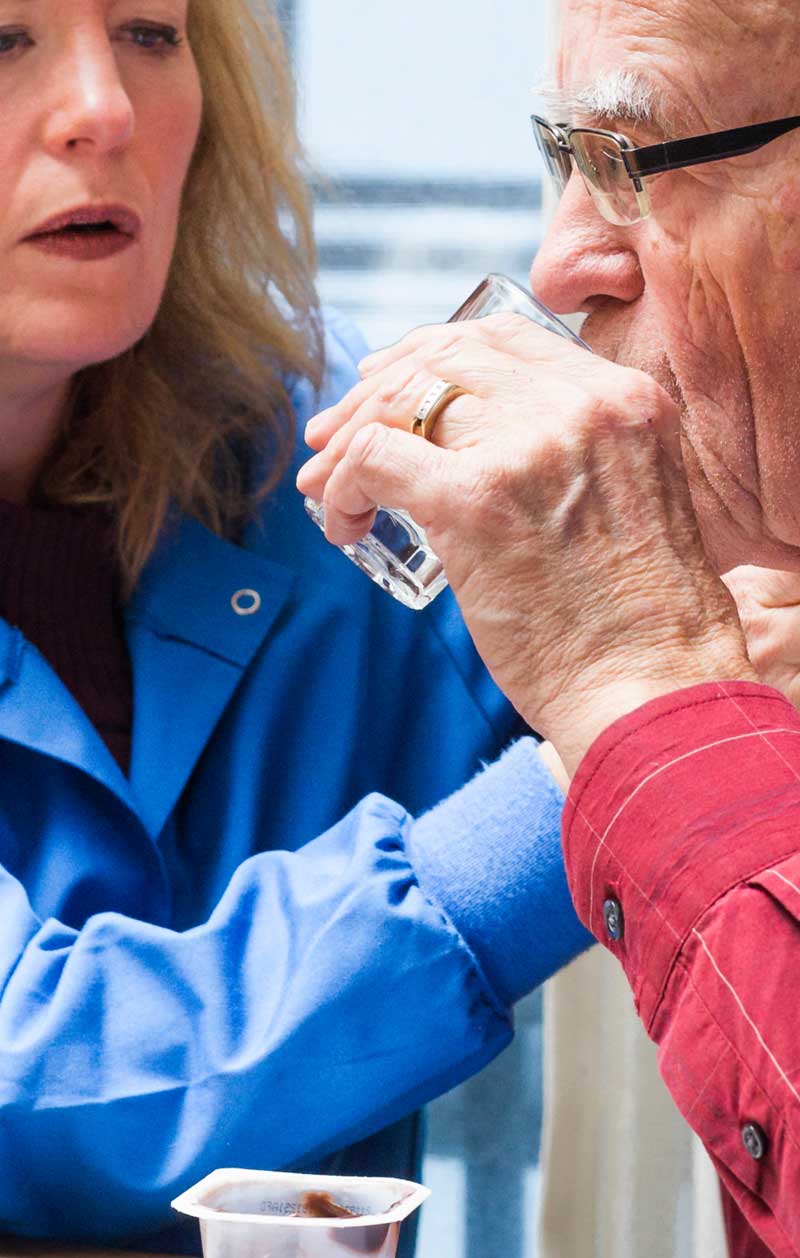
6. What must I do if I believe a person has actually dysphagia?
If you believe someone has difficulties with swallowing, encourage them to seek assessment from medical care professionals that concentrate on this location promptly.
Conclusion
In final thought, gearing up care team with vital abilities with extensive dysphagia training strategies not only boosts person security however also assists in enhanced results within long-term care setups. The breadth of expertise acquired from properly designed courses empowers caregivers to manage complicated circumstances efficiently while cultivating purposeful interactions with those they serve.
By welcoming continuous knowing and making use of available sources such as workshops and on the internet systems concentrated on dysphagia support-- treatment personnel will guarantee they continue to be proficient experts prepared to encounter difficult circumstances head-on.
Ultimately, spending time right into recognizing these methods yields benefits far beyond conformity; it enhances lives-- both those getting care and those supplying it-- developing a setting rooted in regard, dignity, and compassion!
