Introduction
In the realm of parenting, absolutely nothing is much more extremely important than guaranteeing the safety and well-being of your kid. Accidents can happen in the blink of an eye; therefore, understanding necessary life-saving techniques is not just beneficial-- it is vital. This article dives deep into Baby mouth-to-mouth resuscitation Australia and other essential first aid skills that every parent must have in their arsenal. From understanding choking prevention to managing small wounds, this detailed guide intends to furnish you with understanding that might potentially save lives.
Baby CPR Australia: Life-Saving Methods Every Parent Should Master
When it concerns responding to emergency situations including infants, knowing how to administer cardiopulmonary resuscitation (MOUTH-TO-MOUTH RESUSCITATION) can make all the distinction. Baby CPR Australia gears up moms and dads with the needed skills to act in critical situations where every 2nd counts.
Understanding Child CPR
What is Baby CPR?
Infant CPR refers to the particular techniques developed for infants that are incapable to breathe or have no pulse. These approaches differ from grown-up mouth-to-mouth resuscitation because of the unique physiological attributes of babies.
The Value of Knowing Infant CPR
Every parent must think about: why should I discover Infant CPR? The answer is straightforward-- it empowers you to take instant action throughout a dilemma, which can considerably enhance your kid's chances of survival.
Basic Actions of Child CPR
Check Responsiveness: Carefully tap the infant and shout. Call for Help: If there's no feedback, phone call emergency solutions immediately. Open Airway: Turn the head back slightly and raise the chin. Rescue Breaths: Seal your lips around the infant's mouth and nose and provide 2 gentle breaths. Chest Compressions: Usage two fingers in the center of the breast and do 30 compressions at a rate of 100-120 per minute. Repeat as Necessary: Continue cycles until emergency aid arrives.Recognizing Choking in Infants
Choking is a typical situation that parents might face. Acknowledging very early signs such as difficulty breathing or a blue-tinged face is vital for effective intervention.
Choking Avoidance Techniques
Being positive concerning choking prevention can conserve lives:
- Always manage while eating Cut food into tiny pieces Avoid tiny objects within reach
Choking Prevention Strategies for Parents
How Can I Stop Choking?
To prevent choking cases, consider applying these methods:
- Educate caretakers concerning secure feeding practices Encourage youngsters to eat thoroughly before ingesting Keep harmful things out of reach
What Ought to I Do if My Baby Chokes?
If your infant does choke:
Stay calm. Administer back strikes using the heel of your hand between shoulder blades. Follow up with breast drives if they are not dislodged.Epipen Administration for Sensitive Reactions
Understanding Allergies in Children
Allergies can bring about life-threatening circumstances; thus recognizing just how to provide an EpiPen can be invaluable.
How Does an EpiPen Work?
An EpiPen delivers epinephrine, which constricts capillary and opens airways, neutralizing severe sensitive reactions.
Step-by-Step Guide on EpiPen Administration
Remove the cap. Place versus outer thigh and push down strongly till a click is heard. Hold for 3 seconds prior to removing.Managing Minor Wounds Effectively
What Makes up a Minor Wound?
Minor injuries consist of cuts, scuffs, and swellings that call for standard first aid rather than emergency situation medical attention.

Steps for Managing Minor Wounds
Cleanse with soap and water. Apply antiseptic ointment. Cover with a clean and sterile bandage.Proper Hand Health Practices for Parents
Why Is Hand Health Important?
Proper hand hygiene protects against infections and advertises overall wellness among young children.
How Can Parents Make certain Correct Hand Hygiene?
- Wash hands routinely with soap for at the very least 20 seconds Use hand sanitizer when soap isn't available
Child Defibrillation Assistance for Emergencies
Understanding Kid Defibrillation Needs
Defibrillation may be necessary in instances where a youngster has suffered heart arrest.
When Needs to You Utilize an AED on a Child?
Automated External Defibrillators (AEDs) are made for use on people matured 1 year or older but speak with standards specific to age groups when making First Aid Training in Canberra www.firstaidpro.com.au use of on infants.
Building Teacher Confidence in Emergency Treatment Skills
How Can Training Build Self-confidence Amongst Educators?
Training programs like HLTAID012 give emergency treatment education tailored specifically for child care carriers, improving their capacity to respond properly during emergencies.
Recognising Asthma Symptoms in Children
What Are Common Asthma Symptoms?
Asthma signs and symptoms might include wheezing, coughing, or problem breathing; acknowledging these indicators early makes sure timely treatment.
Playground Accidents: Avoidance & Response
How Can Play ground Injuries Be Prevented?
Regularly check backyard and inform children about safe play techniques; this will significantly minimize accidents triggered by play ground mishaps.
Childproofing Strategies Every Moms and dad Should Know
What Is Childproofing & Why Is It Important?
Childproofing involves making your home risk-free by eliminating hazards that can wound your kid; think sharp edges, poisonous compounds, thefirstaidcoursecanberra.com.au or choking hazards.
Incident Reporting Protocols in Childcare Settings
Why Are Incident News Necessary?
Incident reporting assists track injuries and carry out essential precaution; it also serves as paperwork ought to legal concerns arise later on on.
Immediate Response Duties as Caregivers
What Are My Duties During an Emergency Situation?
As a caretaker or parent, you should stay calm, assess the situation quickly, provide emergency treatment if needed, and seek professional assistance when needed.
Written vs Practical Components in First Aid Training
Which Component Is Much more Effective for Learning?
Both written materials give foundational expertise while functional training reinforces abilities through hands-on experience-- both are essential!
Renewal Timelines for Emergency treatment Certification
hr15hr15/# ** What Does HLTAID012 Cover?
HLTAID012 gives extensive first aid training ideal for child care team across Australia concentrating on dealing with youth injuries effectively.
Toddler Emergency treatment Fundamentals Australia
hr17hr17/# What's Consisted of In A Comprehensive First Aid Package For Child Care Centers
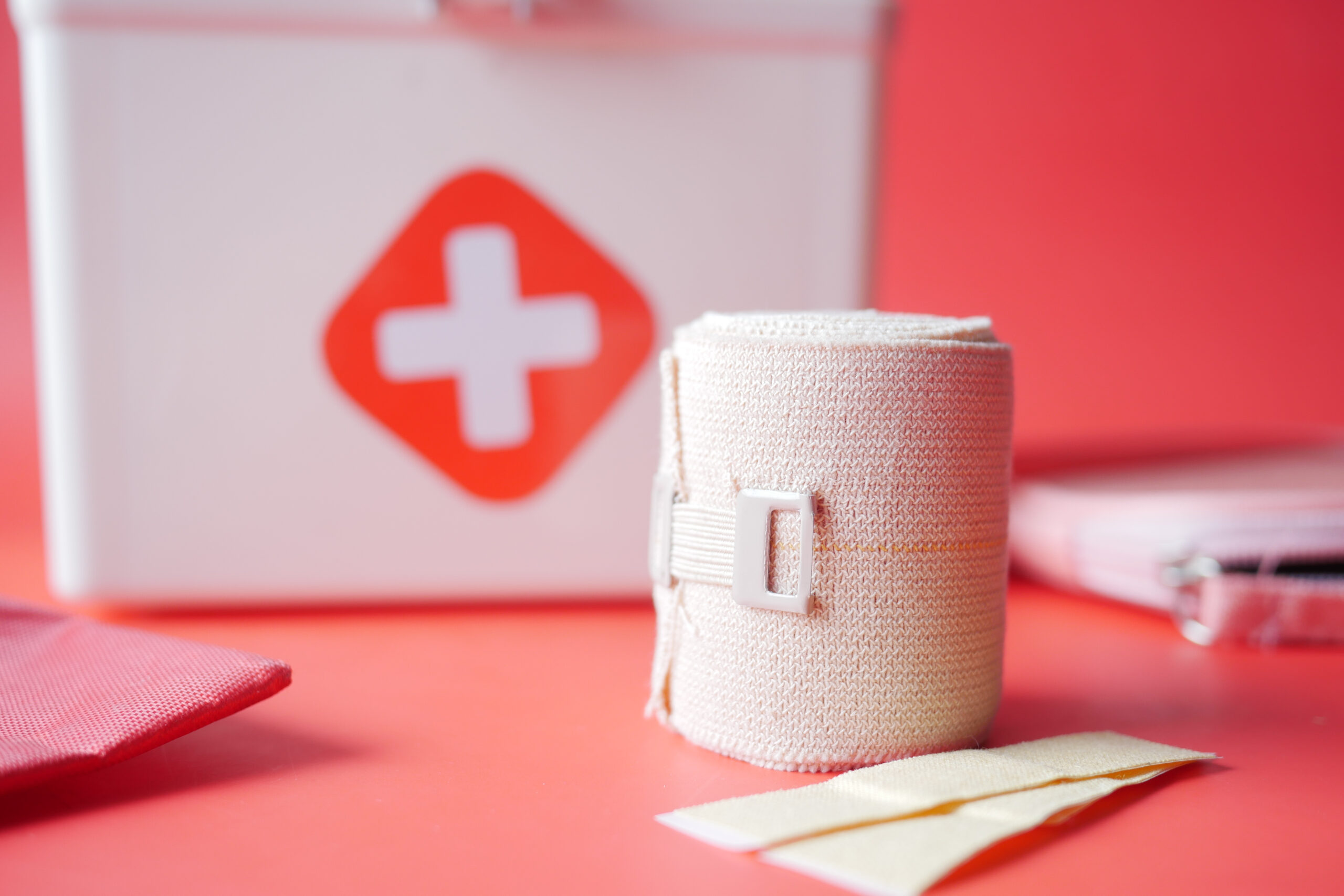
A well-equipped child care centre set ought to include bandages, dressings, discomfort relief medications, and specialized items like EpiPens.
First Help For Childhood years Fever Australia
hr19hr19/# Common Threats Discover In Australian Childcare Facilities
Potential threats range from risky devices, hazardous compounds, and insufficient guidance leading directly influencing overall kid safety.
Childcare Team First Aid Demands Australia
hr21hr21/# Key Skills Every Parent Must Know Relating To Standard First-Aid Procedures For Infants And Toddlers
Foundational abilities require managing minor injuries, choking incidents, and acknowledging dangerous scenarios calling for prompt clinical intervention
First Help For Children With Disabilities Australia
hr23hr23/hr24hr24/##
Conclusion
Mastering infant care strategies like those laid out above-- specifically relating to Infant mouth-to-mouth resuscitation-- can develop much safer settings both in the house & & childcare settings alike! By developing self-confidence with appropriate training programs such as HLTAID012 accreditation training courses readily available throughout numerous regions within Australia, you'll encourage yourself & & others around you thus growing durability amidst potential dilemmas faced by our youngest generation today! Keep in mind-- every second matters when it comes conserving lives; be equipped, remain informed!